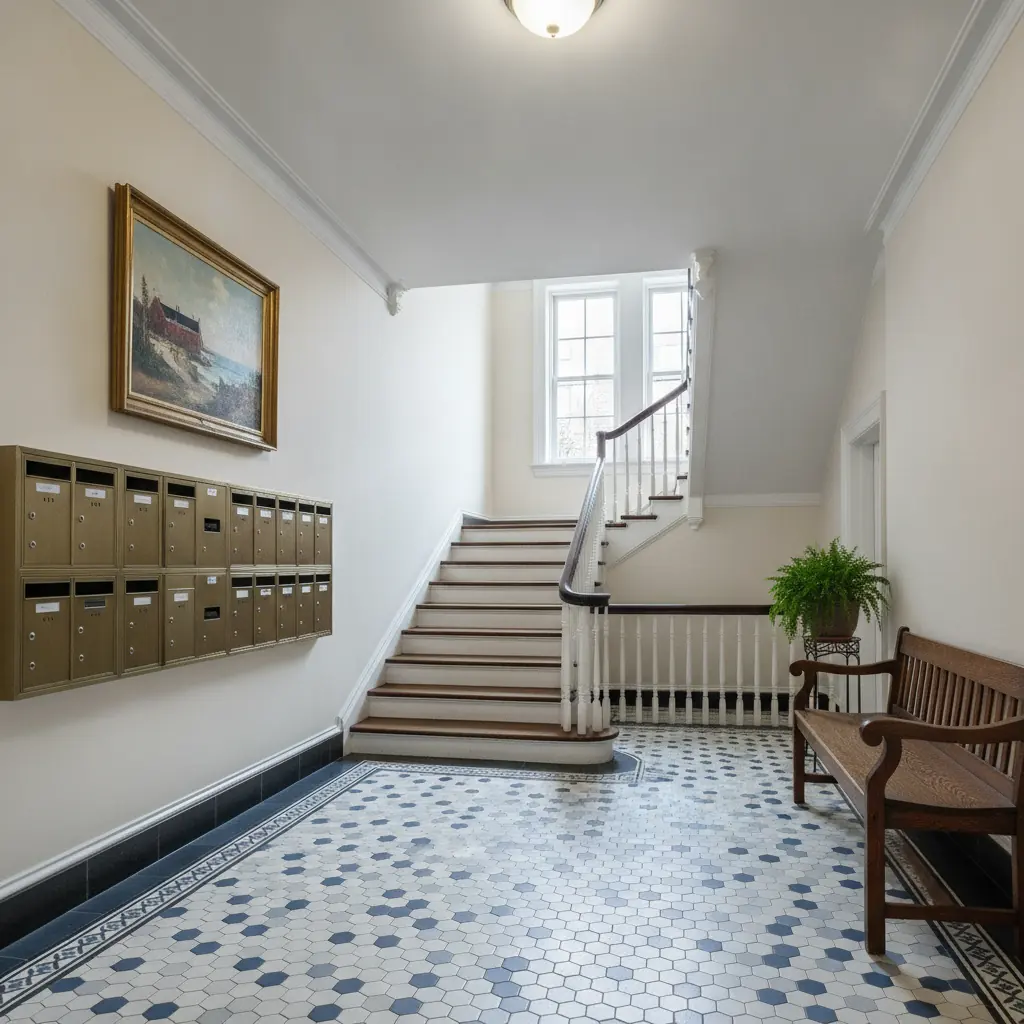

Keeping a home clean in Boston is a little different from keeping one clean in a newer suburb. Much of the city lives in buildings that are 80, 100 or even 150 years old, with radiators under the windows, original wood floors, kitchens that were squeezed in decades after the house was built and bathrooms that never got a proper exhaust fan. Add a long commute, a hospital shift or a semester of classes, and the cleaning tends to slide until the weekend, and then past it.
This guide is for renters and homeowners who want a place that stays reasonably clean without giving up every Saturday. It covers the spots older Boston homes tend to hide dirt, a simple weekly rhythm that fits a busy schedule, how the seasons change the work, and how to decide what is worth handing off to a pro.
Why older Boston homes collect dirt differently
Old buildings are full of edges. Picture molding, tall baseboards, window casings, deep sills and paneled doors all give dust a place to land, and in a Victorian in Roslindale or a row house in Charlestown there is a lot more trim per room than in a modern build. It adds up fast if it only gets attention twice a year.
Radiators are the other big one. Hot water and steam radiators pull air up through their fins, which means they also pull dust, pet hair and lint in with it. By midwinter many of them have a gray layer you cannot see from across the room, and it gets baked a little every time the heat kicks on. A long, thin radiator brush and a vacuum with a crevice tool, used every few weeks during heating season, keep them from turning into a dust source for the whole apartment.
Original hardwood and older tile also behave differently. Wide pine or oak floors in a South Boston triple-decker often have small gaps between boards where grit settles, and older ceramic tile has porous grout that darkens fast. Both do better with frequent dry cleaning (sweeping or vacuuming) and a well wrung mop than with a lot of water.
Small kitchens and bathrooms: where the real work is
A lot of Boston kitchens are galley style or tucked into a corner of the living room, especially in condo conversions in the South End and Back Bay or in the newer units carved out of East Boston homes. Small kitchens get dirty faster because everything is close together: grease from the stove lands on the cabinet fronts, the backsplash and the top of the refrigerator, and there is no extra counter where things can sit out of the way.
Two habits make the biggest difference. First, wipe the stovetop and the backsplash right behind it after any cooking that splatters, while it is still warm and easy. Second, keep counters as clear as you can, so a two minute wipe actually reaches the surface. Every month or so, take a look at the range hood filter and the top of the cabinets, which are the places grease quietly builds up.
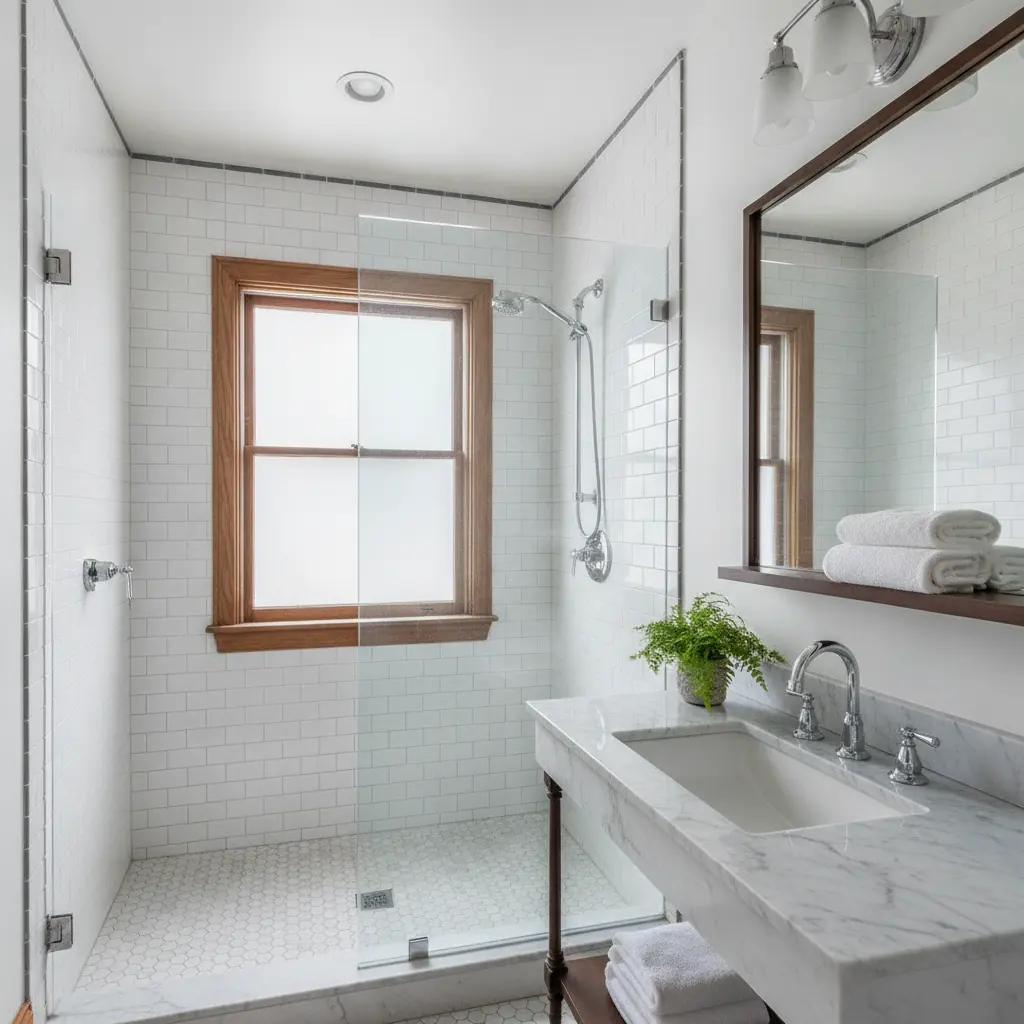
Bathrooms in older buildings often have a window instead of a fan, or a fan that barely moves air. That means moisture lingers after every shower, and mildew shows up in grout lines, caulk and the corners of the ceiling. Running a squeegee over the shower walls, leaving the door open and cracking the window for a few minutes after a shower do more than any cleaning product. If the caulk has turned dark from the inside, no amount of scrubbing will bring it back, and it is usually time to have it replaced.
A weekly routine that survives a busy week
The routines that last are the ones that do not depend on a free afternoon. Instead of one big clean, spread a few short jobs across the week. For many people that looks something like this.
Every day, about ten minutes: dishes done or loaded, kitchen counters and stovetop wiped, a quick pass on the bathroom sink, and anything on the floor picked up. This keeps the home in a state where a real cleaning is fast.
Twice a week: vacuum or sweep the main walking paths, especially the entry, the kitchen and the hallway. In a walk-up, this is where the grit from the street ends up.
Once a week: bathroom (toilet, tub or shower, mirror, floor), a full kitchen wipe including the sink and appliance fronts, dusting of flat surfaces, a mop of hard floors and fresh sheets.
Once a month: the edges. Baseboards, radiators, window sills, door frames, the top of the fridge, light switches and the inside of the microwave. Pick one or two per weekend instead of all at once.
Sharing with roommates in Allston or Mission Hill? Put the list on the fridge so nobody has to guess.
How Boston seasons change the cleaning
Winter is the hardest season on floors. Road salt and sand ride in on boots, and in a building with shared stairs they spread from the front door all the way up to the third floor. A sturdy mat outside, a washable mat inside and a boot tray right at the door catch most of it. Wiping salt residue off wood and tile soon after it lands keeps it from dulling the finish. Rugs and wall-to-wall carpet near the entry take a beating too, and a deeper rug or carpet cleaning in early spring is a common reset.
Spring brings pollen, and Boston has plenty of it from street trees and parks like the Fens and Franklin Park. It settles on sills, screens and anything near an open window. A damp cloth works better than a duster here, because dry dusting just moves pollen around.
Summer means humidity. Bathrooms, basements and closets on the shady side of the building are the first to smell musty. Keep air moving, empty the dehumidifier often and wipe down surfaces that stay damp.
Fall is about the outside. Wet leaves stain front steps, walkways and porches, and the grime that builds over the summer is easier to wash off before the first freeze than after. Many owners book pressure washing for stoops, walkways and patios in October for exactly that reason.
What to do yourself and what to hand off
Not every task is worth paying for, and not every task is worth your Saturday. A useful way to split it: keep the daily and weekly habits yourself, because they are quick and they keep the home livable. Consider handing off the jobs that are slow, physical or need equipment you do not own.
For most busy households in Boston, the tasks people end up handing off first are the deep kitchen and bathroom clean, the monthly edge work (baseboards, radiators, trim), rug and carpet cleaning, and anything outside that needs a pressure washer. Some people book a regular clean every week or two and handle only the daily basics themselves. Others book a deep clean a few times a year, usually at the change of seasons, and do the rest on their own.
If the same few jobs never get done, or cleaning is what your household argues about most, handing part of it off is usually worth it.
Getting help that fits your building and your week
If you do bring in a cleaner, a few details make the first visit go smoothly in Boston: the floor you live on and whether there is an elevator, where a car can park, how to get in (buzzer, lockbox, a neighbor with a key) and which rooms matter most to you. A good company will ask about all of that before giving you a price.
JC Cleaning of Home is a family-owned company based in Brighton, and we clean homes, apartments and small buildings across Boston, inside and out. Estimates are free with no visit fee, we can come the same day when the schedule allows, and if something was missed we come back and fix it at no cost. We work every day from 8 AM to 6 PM, in English or Portuguese.
If you want to see what your place would take, send a few photos of your kitchen, bathroom and main rooms on WhatsApp to (857) 258-6271 and we will get back to you with a free estimate.
Want a price for your home?
Send a few photos on WhatsApp and we reply with a free estimate. No visit fee.