Apartments in Allston-Brighton are not like apartments in a new high-rise. Many of them sit in buildings that are a hundred years old, with cast iron radiators, painted-over window frames, small kitchens shared by three or four roommates and a back stairwell that sees a lot of boots between November and March. Keeping one of these places clean takes a slightly different approach than a modern condo.
This guide is for the two people who care most about how a rental looks: the renter who lives there and the landlord who owns it. We are based in Brighton ourselves, so the tips below come from the kind of buildings we see every week on streets like Kelton, Chiswick and Glenville. Some of it is about daily habits, some is about the end of a lease, and some is about what a landlord can do between tenants.
What makes Allston-Brighton apartments harder to keep clean
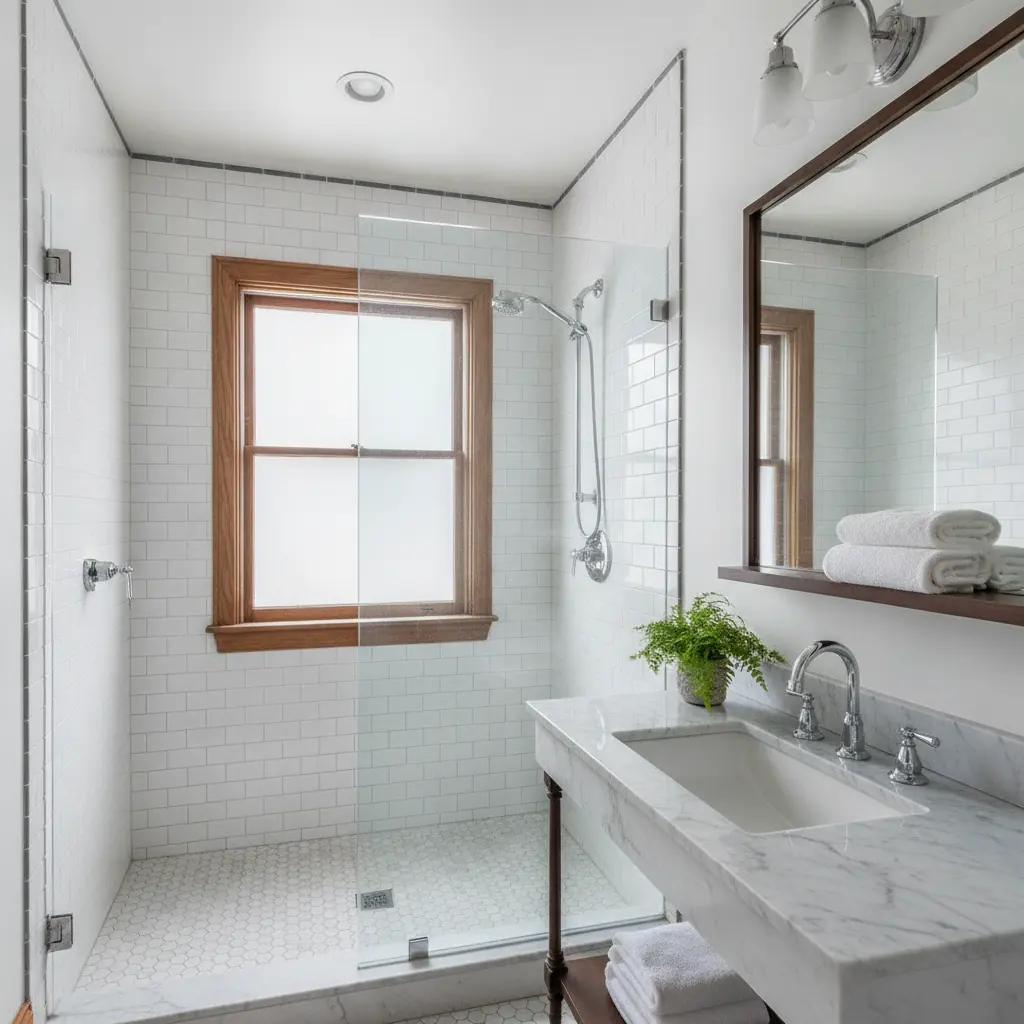
Age is the first thing. Older buildings have more ledges, trim, window sills and moldings, and every one of them collects dust. Original hardwood floors have gaps where crumbs and grit settle. Bathrooms often have small windows or weak exhaust fans, so moisture hangs around after showers and mildew shows up on grout and caulk faster than it would in a newer unit.
Density is the second. A two bedroom with four people in it, which is common near the colleges, simply produces more dishes, more hair in the drain and more traffic on the floors than the same space with two people. Shared kitchens are where things slip first, because everyone assumes someone else will wipe the stove.
The third is the street itself. Brighton is a walking neighborhood, so whatever is on the sidewalk comes inside on shoes: sand and rock salt all winter, wet leaves in the fall, pollen in the spring. Rugs and the first few feet inside the door take the hardest hit.
A weekly routine that actually works for roommates
The roommate apartments that stay clean almost always have a simple written plan. It does not need to be fancy. Split the apartment into zones (kitchen, bathroom, floors and trash, shared living room) and rotate them every week. Put the rotation where everyone sees it, like the fridge or a group chat.
Keep the daily part tiny: dishes done the same day, stovetop wiped after cooking, a quick squeegee or towel on the shower walls, and trash out before it overflows. Those four habits prevent most of the buildup that makes a deep clean painful later.
Once a week, the person on each zone does the real work: scrub the toilet, sink and tub, mop the kitchen and bathroom floors, vacuum rugs, clean the microwave and wipe the fridge handles and cabinet fronts. Once a month, add the things people forget: the top of the fridge, behind the toilet, the inside of the oven door and the radiator fins.
Many roommate groups in the area split the cost of a professional cleaning every two weeks or once a month instead. It removes the arguing, and divided four ways it can cost less per person than people expect.
Radiators, windows and the winter grime problem
Radiators are the most overlooked surface in old Boston apartments. Dust settles between the fins all summer, and when the heat comes on in October that dust gets warmed and carried around the room. Before heating season, turn the radiator off and let it cool completely, then use a long, thin radiator brush or a vacuum crevice tool between the fins. Lay an old towel underneath to catch what falls.
Windows in older buildings get condensation on cold mornings, and that moisture sits on the sill and the bottom of the frame. Wipe sills dry when you see water, and check the corners for black spots. Catching mildew early is much easier than scrubbing it out in March.
Winter salt is its own project. That white crust on floors and rugs near the door is not just ugly, it can dull hardwood finish over time. A good mat outside and another inside, a boot tray, and a damp mop on the entry area every few days during snow season make a real difference. Rugs that take a whole winter of salt and sand often benefit from a proper rug and carpet cleaning in spring.
For renters: getting ready for the end of your lease
In Allston-Brighton, a huge number of leases end around September 1, and moving week is chaotic. The renters who have the easiest time are the ones who plan the cleaning before the boxes are packed, not after.
Start by reading your lease and any move-out instructions from your landlord or management company, since they often list what they expect. Then focus on the areas people usually check first: inside the oven and stovetop, the range hood, inside the fridge and freezer, bathroom tile, grout and the tub, floors along the baseboards, and walls near light switches and door handles.
As general common-sense advice, take dated photos of every room once it is clean and empty, and keep them along with any photos from when you moved in. Clear photos are the simplest way to show the condition you left the place in. If you have questions about your deposit or what you are responsible for, check your lease and ask your landlord directly, since every situation is different.
If you want help with the cleaning part at the end of your lease, ask us early. Late August is the busiest stretch of the year in this neighborhood, and the schedule fills up fast.
For landlords: what to check between tenants
For owners of two-families, triple-deckers and small walk-ups, the time between one tenant leaving and the next one arriving is often only a day or two. A short, consistent checklist keeps every turn on track.
Walk the unit with a notepad before you call anyone. Note the kitchen condition (grease on the hood and cabinets, oven, fridge), the bathroom (soap scum, hard water, mildew on caulk), the floors and any carpet or rugs, and things like window sills, closet shelves and light fixtures. Sending those notes and a few photos to a cleaner gets you a far more accurate estimate than a phone description.
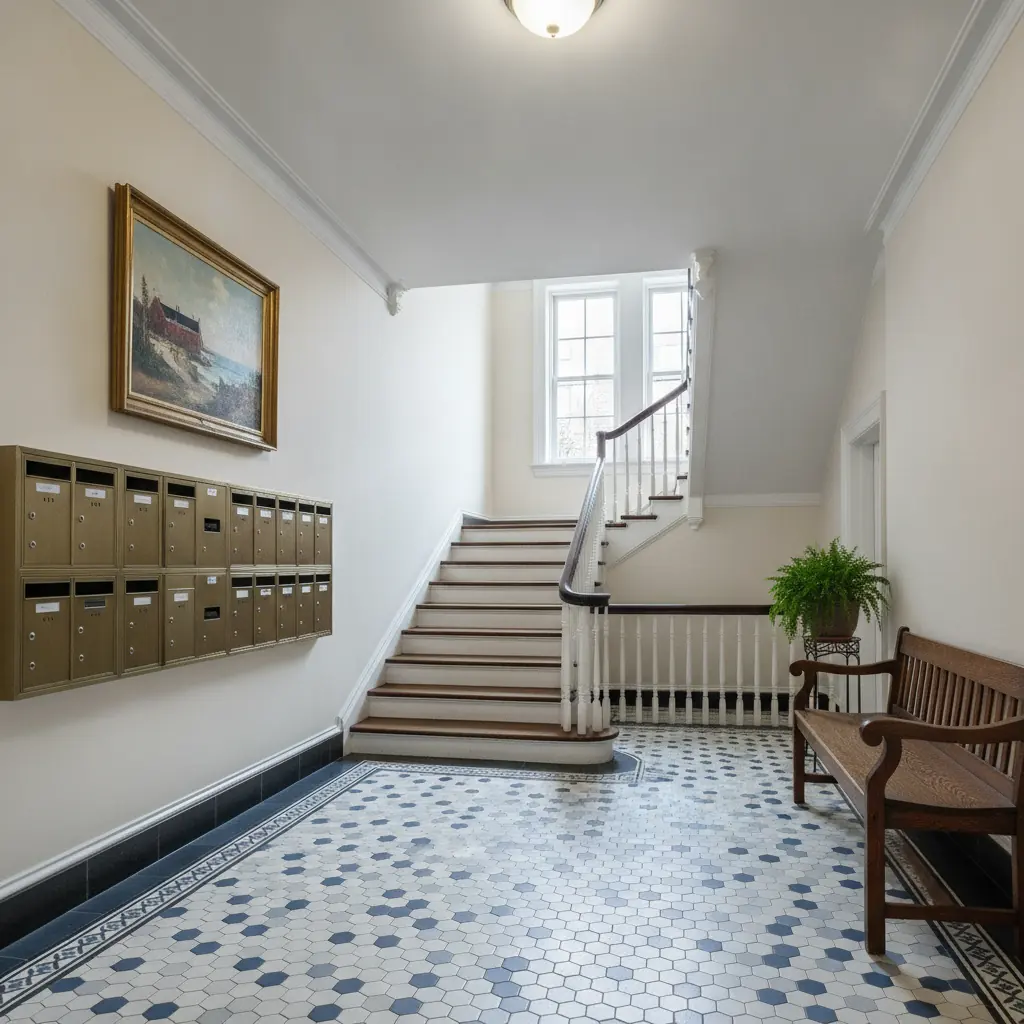
Think about the shared spaces too. A freshly cleaned unit makes a weaker impression if the new tenant walks up a hallway full of sand and old flyers. If the stairwell and entry need attention, schedule them on the same day.
Finally, keep a record. Photos of the unit after the turn, with the date, help you compare condition next year and make the next walkthrough faster for everyone.
When to call a professional, and how to get a fast estimate
Regular habits handle most of the year, but some jobs are simply easier with help: the first clean after a year of roommate living, a kitchen with built-up grease, a bathroom that has gone green in the corners, rugs that soaked up a whole winter, or a unit that needs to look right before the next tenant arrives.
In Greater Boston, cleaning prices depend mostly on the size of the apartment, the number of bathrooms, the condition, how much clutter is left behind and access details like stairs and parking. A third floor walk-up with no nearby parking takes more time than a ground floor unit with a driveway, so mention those details when you ask for a quote.
JC Cleaning of Home is based right here in Brighton. We clean apartments and building common areas, as well as rugs and carpets, and we speak English and Portuguese. Estimates are free, there is no visit fee, same-day visits can happen when the schedule allows, and if anything was missed we come back and fix it at no cost. The quickest way to a number is to send a few photos of the kitchen, bathroom and main rooms on WhatsApp to (857) 258-6271, or use the free quote form.
Want a price for your home?
Send a few photos on WhatsApp and we reply with a free estimate. No visit fee.